DOCUMENTARY // PSSNGR
SKHOTHANOLOGY
SkhothaneUmbhoqoIbhayisikili




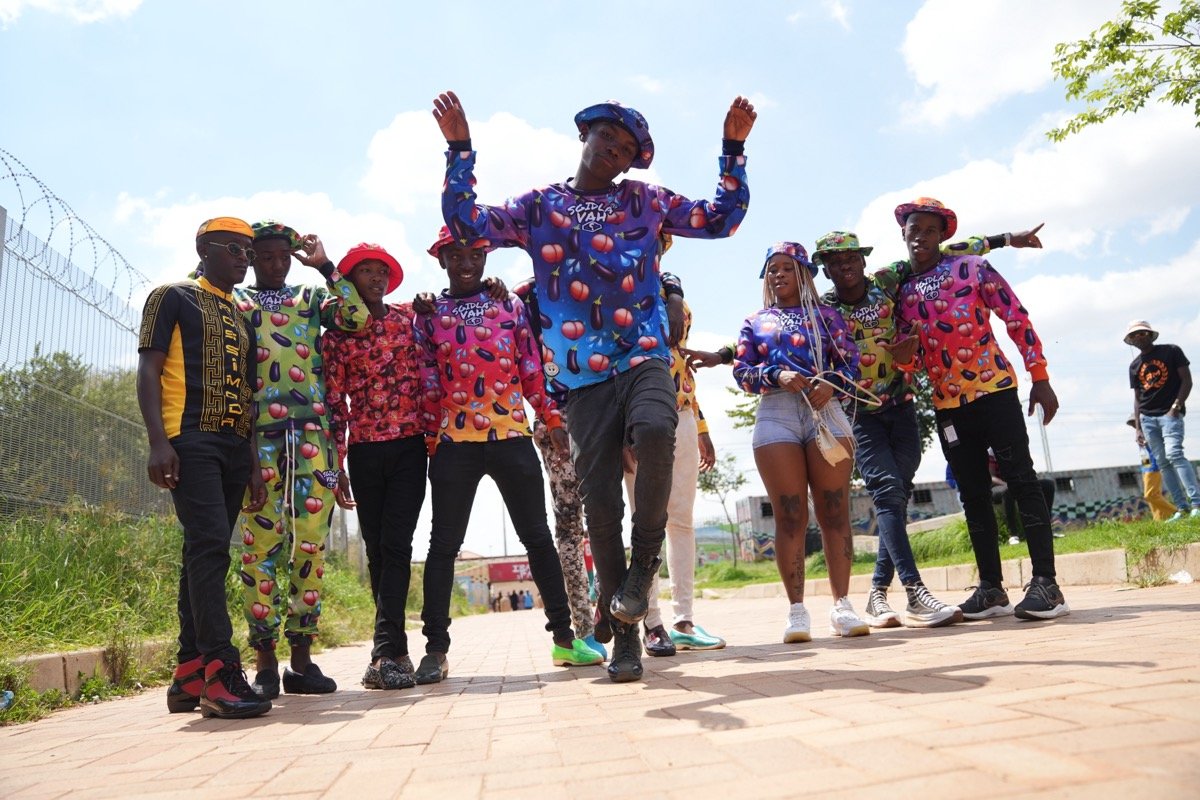

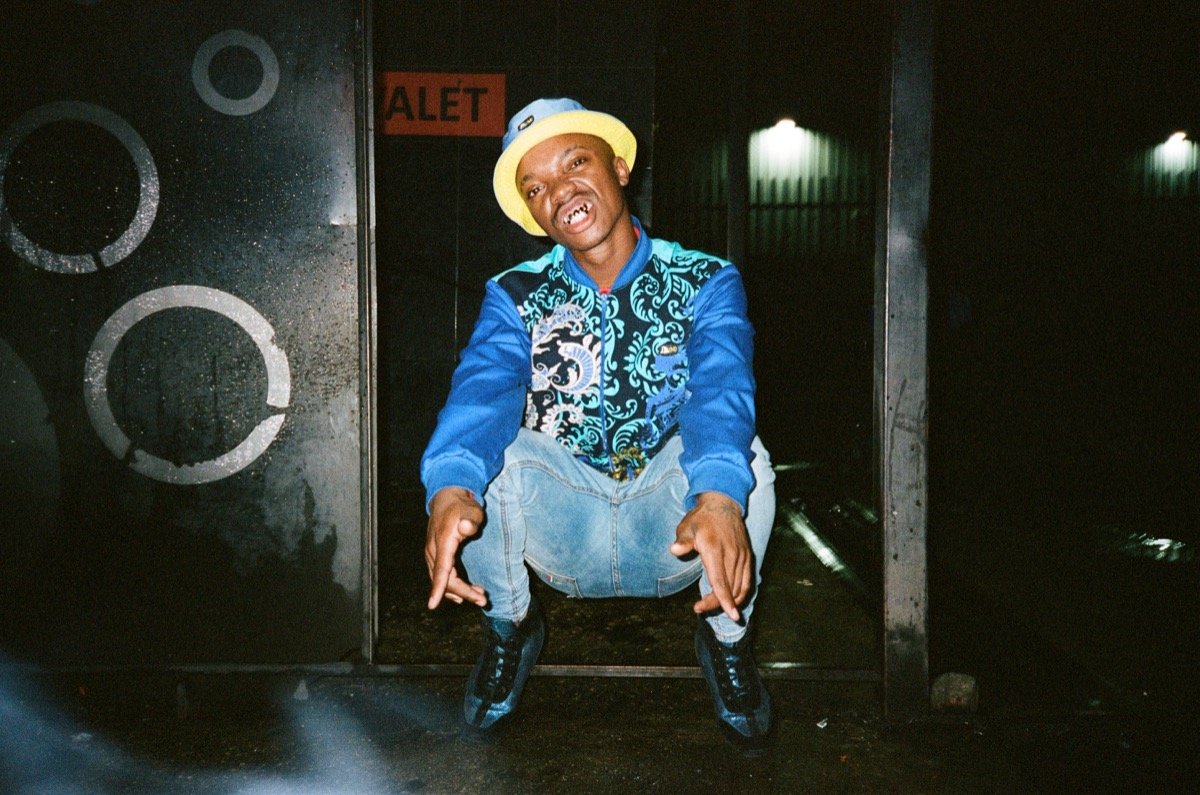
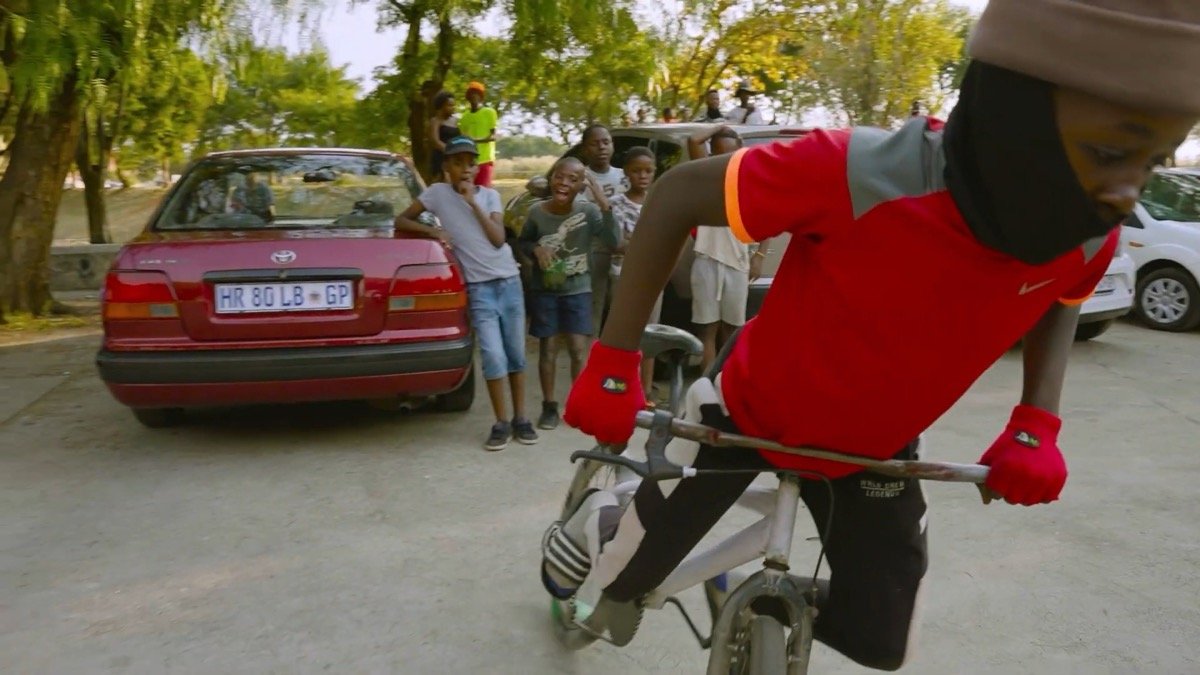
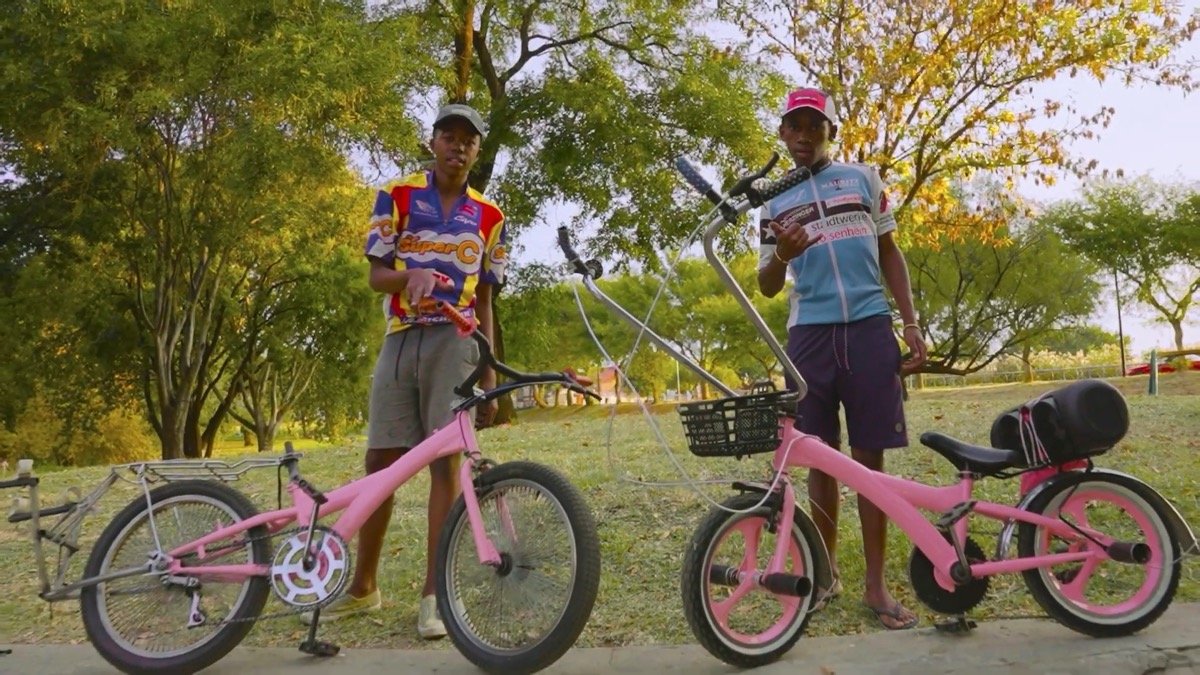
Skhothanes have been a strong presence within South-African youth culture since the 2000s. Their clothing style and hedonistic mores is now known all over the country, and their community has been well documented in SA by both the media and the academia. They’ve also been much criticized and blamed by people alien to their subculture : showing off their money and sometimes burning luxury goods gave them a bad name in a country where a massive amount of people still live in very harsh conditions on a daily basis.
But since a few years, a new wave of skhothanes seems to be emerging in Gauteng and elsewhere. They’re less focused on displaying the money they have (or claim to have) and more interested in building a real culture. They want to be considered as a proper, long-lasting community with its own music and dances, and a fresh approach to fashion, sports and visual culture.
We think the renaissance of skhtothane culture can be a very hot topic right now for several reasons.
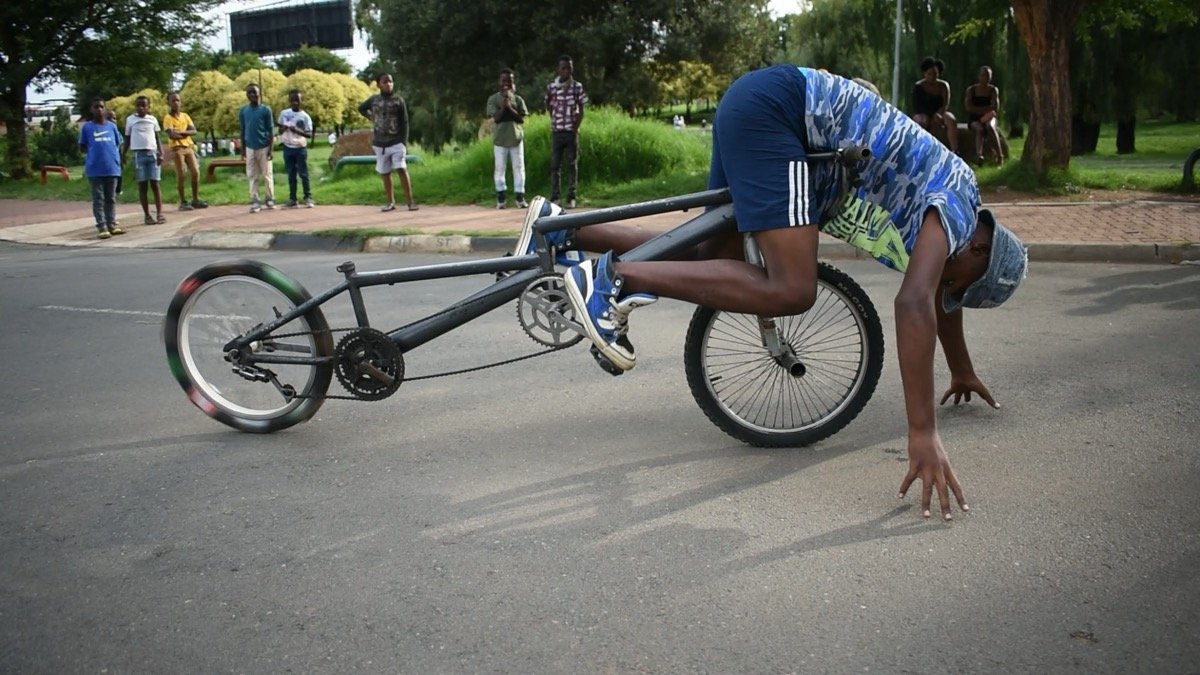
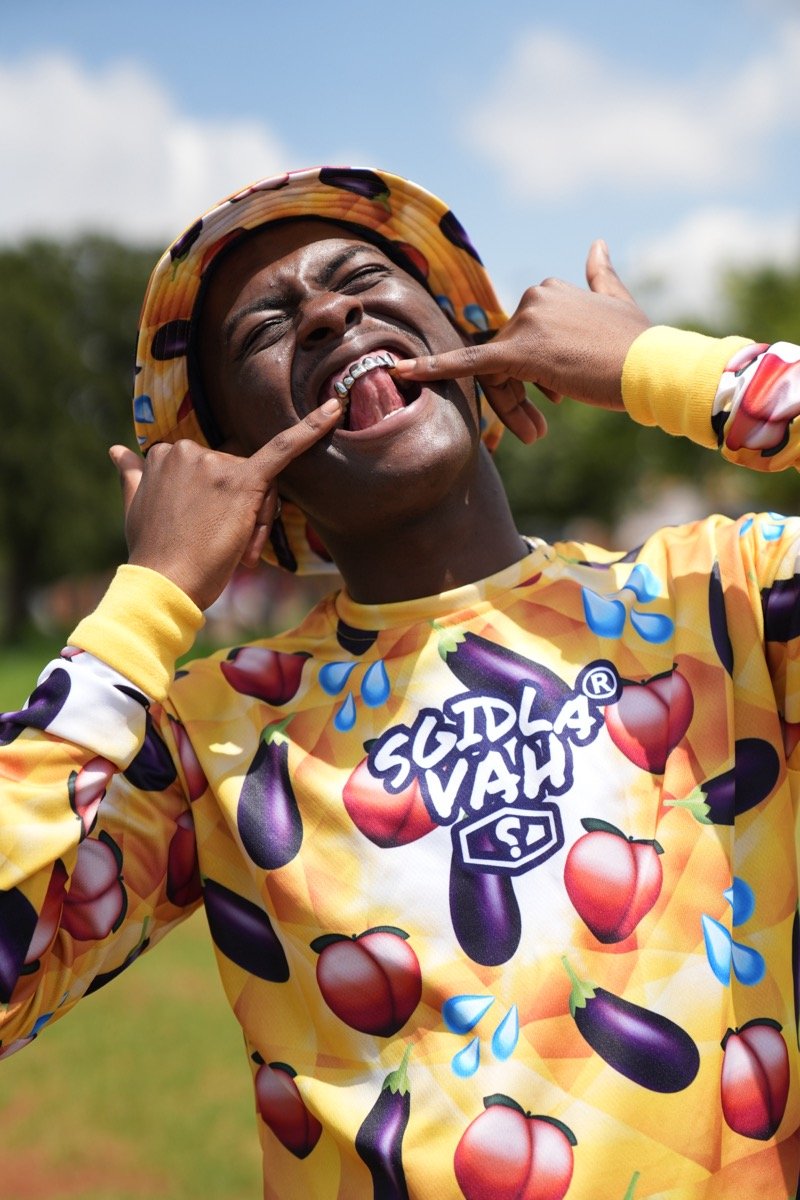
First of all, there’s a huge visual appeal to what they do : the new skhothanes challenge their elders by wearing flashy, colourful, futuristic looks, inspired by modern bike-wear and Italian sports brands. They mix dress shoes, cycling jerseys and cycling caps, designer shades and designer jeans, which they buy in specialized skhothane stores like DMD Italia. Beyond this style aspect, some of them are also seasoned BMX freestyle riders : watching them spectacularly moving on their bikes is really something. Moreover, some other skhothanes are great dancers, creating their own dance routines and sometimes even inventing dance crazes getting viral on TikTok.
The second major reason we think the new generation of skhothanes should be documented is the thrilling music scene that’s been recently built among them. Skhothane artists like Gento Bareto, King Mzaiza, Material Culture, Don Dada are currently releasing some extremely exciting music. The genre is called Umbhoqo and it’s testifying how lively and creative contemporary South African dance music can be, along with other genres amapiano or gqom. This would be a good way to show people who don’t believe it that Africa really is the future of music. It would also be great to show how those tracks are produced, then promoted and broadcast among youth communities across SA.
The third major reason to do this project is of course the social and political background laid out behind this subculture : what does it say about South Africa in 2022, about this young generation of creatives who were born free but who nevertheless experienced the rough life of impoverished townships ? Can it help youth to find a better future ? Or is it a way to rebel against the current situation of this youth in SA ? Can it be seen as a complex relationship of love and hate towards capitalism ?
Skhothane
“Skhothane”
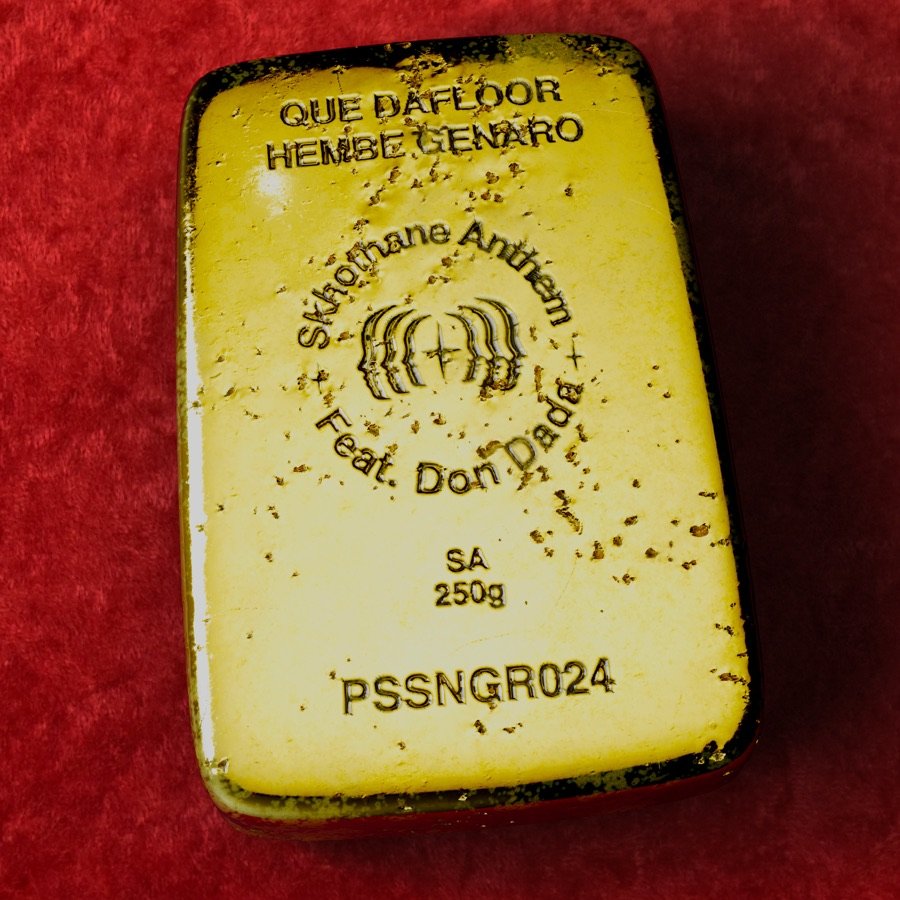
Hybrid culture with multiple influences, Skhothane has successfully captivated the masses. But what is the essence of this movement ? Skhothanes proudly declare themselves as a full-fledged community, complete with their own music, dance, meeting spots, and an eccentric approach to fashion. Originally, its followers emerged in the outskirts of Johannesburg. The term “Skhothane” comes from Zulu and means “lick” or “boast.” Once confined to the boundaries of Soweto and Tembisa neighborhoods, the phenomenon has spread throughout the entire country. Today, Skhothanes gather in parks by the hundreds, even thousands, to organize BMX competitions, dance-offs, and above all, play Umbhoqo, their music. Umbhoqo, currently on the rise, still has a way to go before reaching the heights of Amapiano. But the foundation is there. Colorful producer and genre pioneer, King Mzaiza, locates the birthplace of this music in the Ivory Park neighborhood, east of Johannesburg. With his label, King Mzaiza Music, he sponsors several Umbhoqo-affiliated members, such as Fafastra, Fezela, Gento Bareto, Alligator, Finisher, Danone and U-Girl. They are all featured on the LP “Umbhoqo Manifesto Vol. 1” released on PSSNGR.
“Umbhoqo”
Already nourished by Amapiano (the globally successful South African house music), the two PSSNGR label heads have dusted off the archives of the local underground scene and have captured the trend in full flight. “I delved deep into Skhothane by doing a lot of research. Then I discovered the music Umbhoqo originated from. I found it incredible because it reminded me of a blend of Gqom, Logobi, and Kwaito,” says Jess, DJ and co-founder of the French label, about the influences that run through the Skhothane vibe. Snare drum rolls, dark synths, and syncopated vocals. That’s how the intro of Fafastra and U-Girl’s latest music video, “Isikhalo Sikalova,” produced by PSSNGR, can be summed up. Over it, U-Girl’s raspy voice chants the term “Skhothane” like an incantation, immediately setting the mood. Far from the laid-back and groovy sounds of Amapiano, the track is a perfect appetizer to decode the Umbhoqo DNA. After releasing a 100% Umbhoqo album in 2023, the number one musical genre among the Izikhothanes, PSSNGR is supporting the development of a new Umbhoqo project called 3-DIGITS, originated by Shydow and Predd, aged 19 and 22, two young producers from the Johannesburg township of Tembisa (EKURHULENI). Under 3-DIGITS, they have joined forces with vocalists Hleza, Bhodloza, and 2KAYY. This crew of artists has dedicated the last few years to designing a new Umbhoqo style. They call their sound “Umbhoqo o mushA”, which translates as “the new sound of Umbhoqo music”.
“Skhothane”
Alongside the musical movement, a fashion culture has been erected almost as a cult, “I feel free as a Skhothane because it’s a lifestyle I choose to live. But I can also afford this life because at the end of the day, after singing and dancing, I can buy luxury fashion items,” says Fafastra, silver grillz on and “Italia” embroidered on his bob. Very inspired by the Italian luxury brands like Gucci or Versace. The jerseys, polo shirts, jackets, and hats worn by Skhothane influencers like the undefeated king Don Dada, shine with bright and fluorescent colors that perfectly match their flaunting art. Some local brands like DMD, Rossimoda, Arbiter and more recently Sgidla Vah?, have become iconic labels of their lifestyle.
DOCUMENTARY // PSSNGR
IBHAYISIKILI
IbhayisikiliBMXSoweto
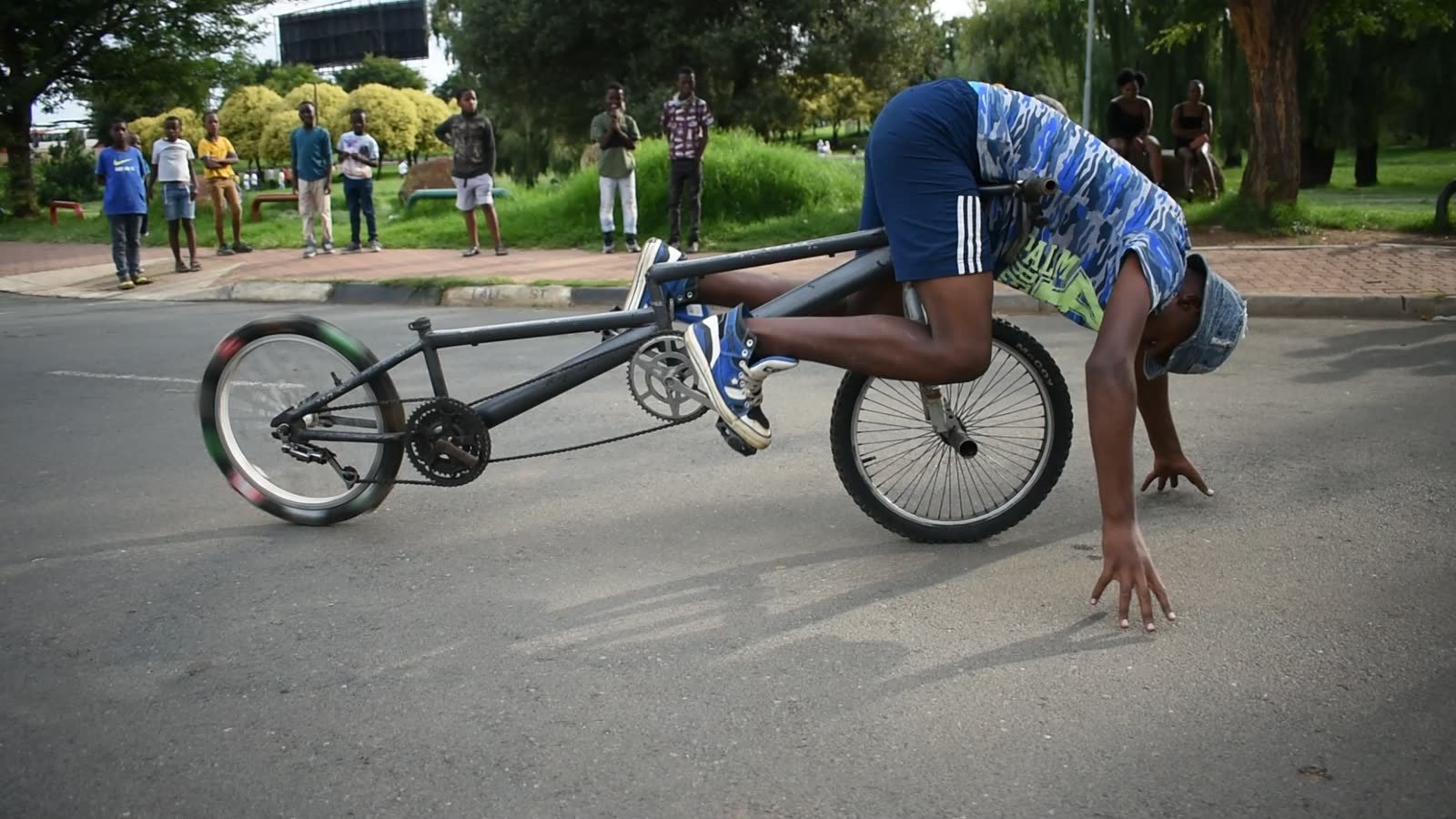
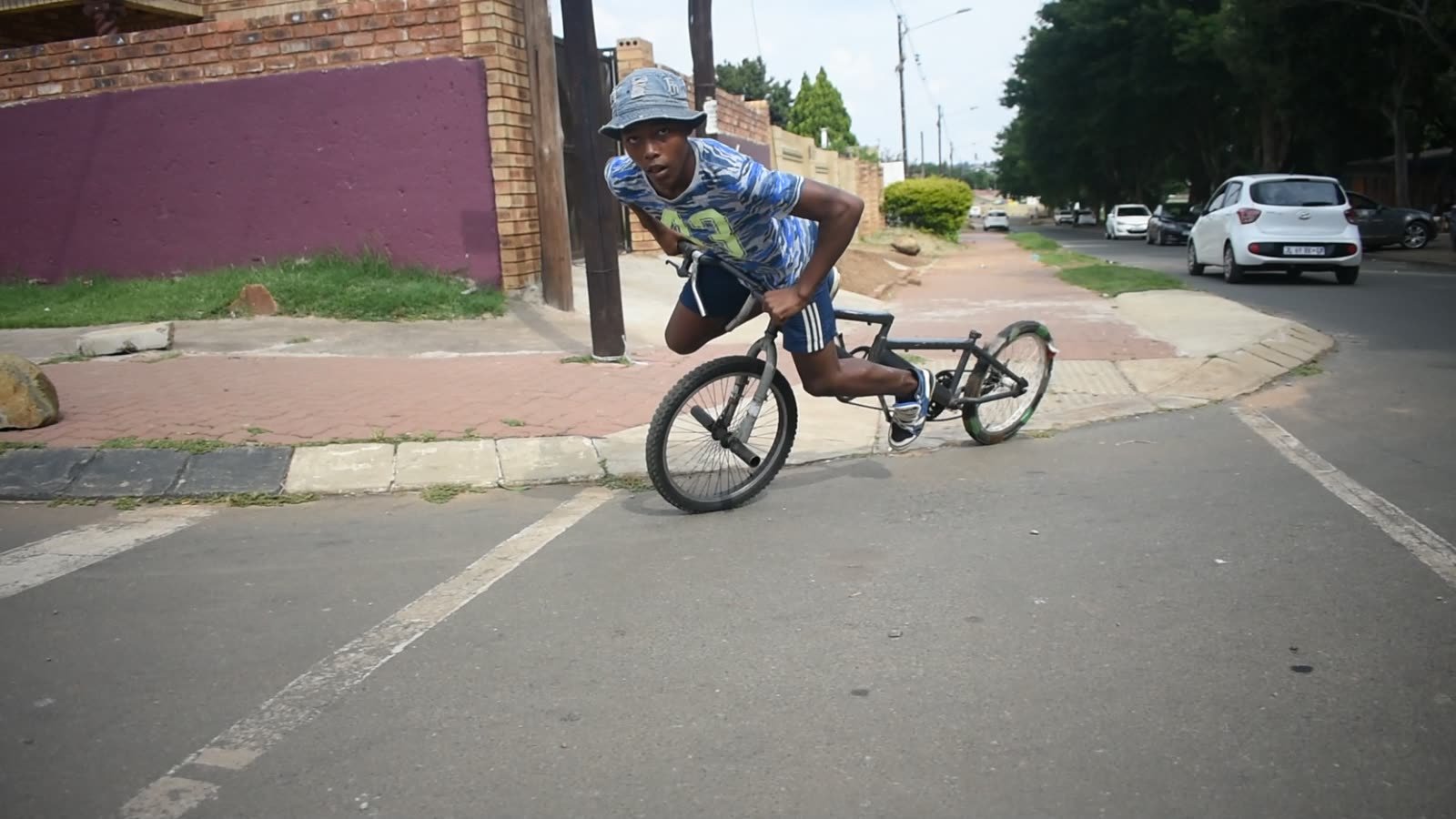
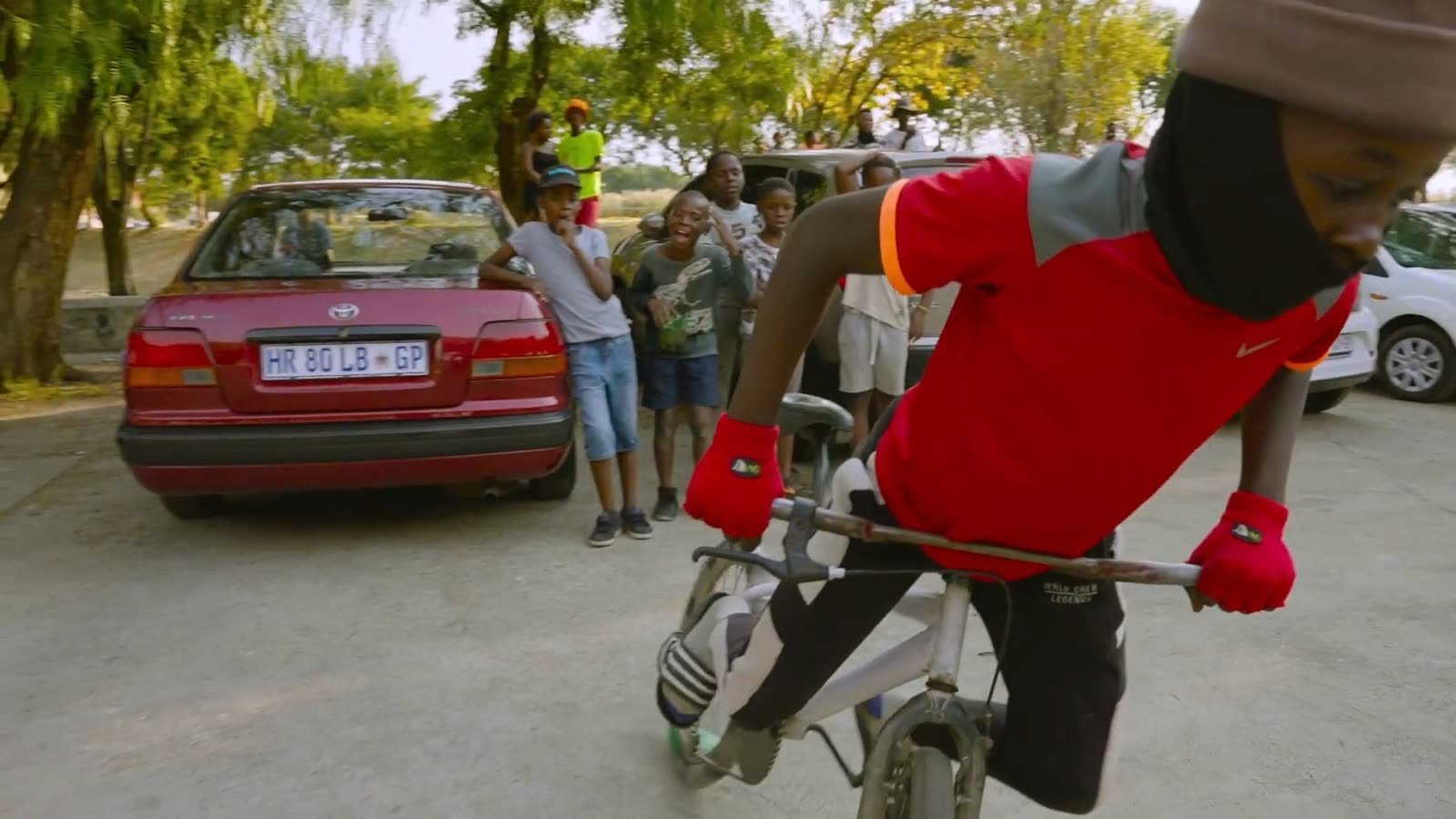
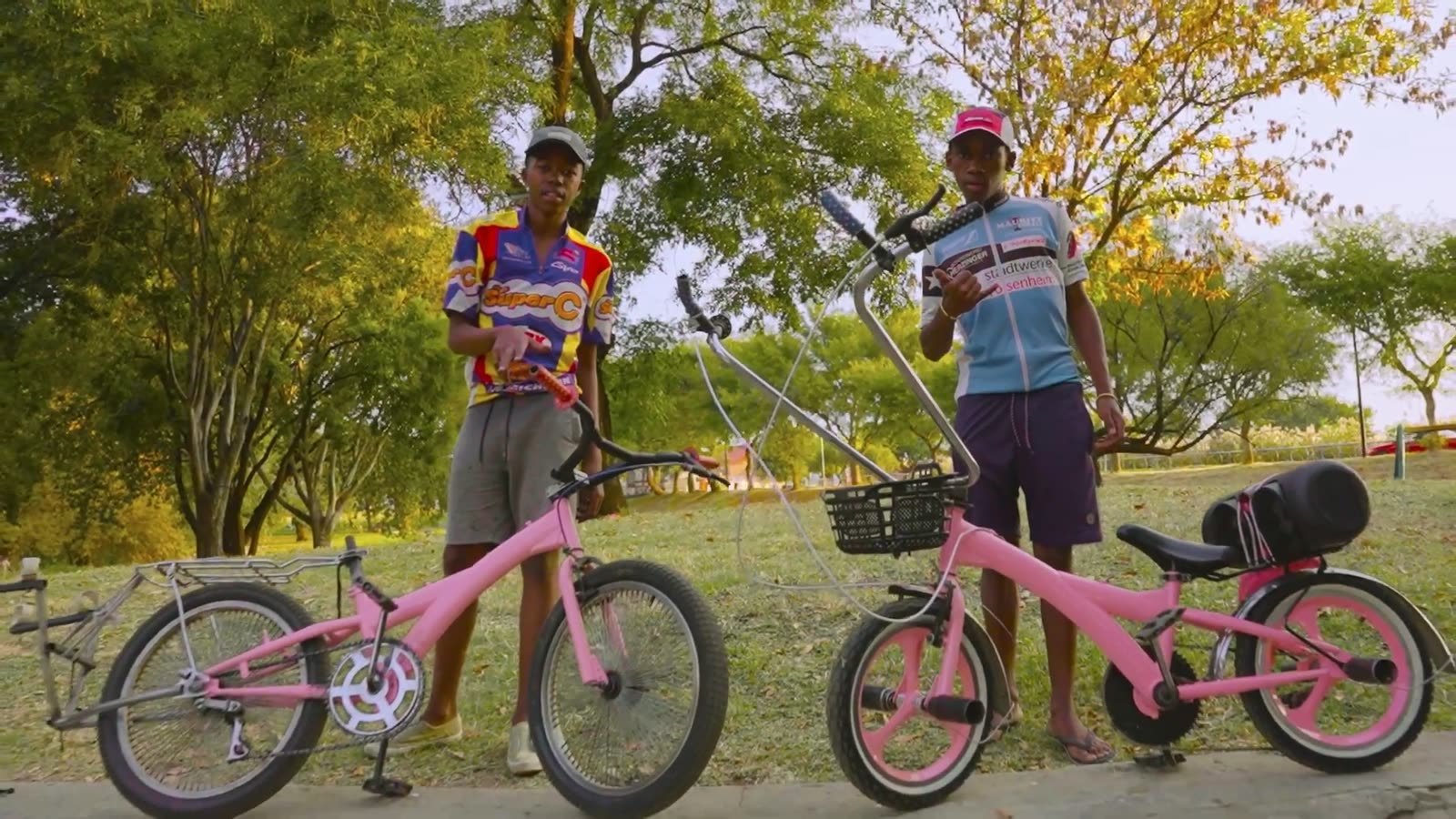
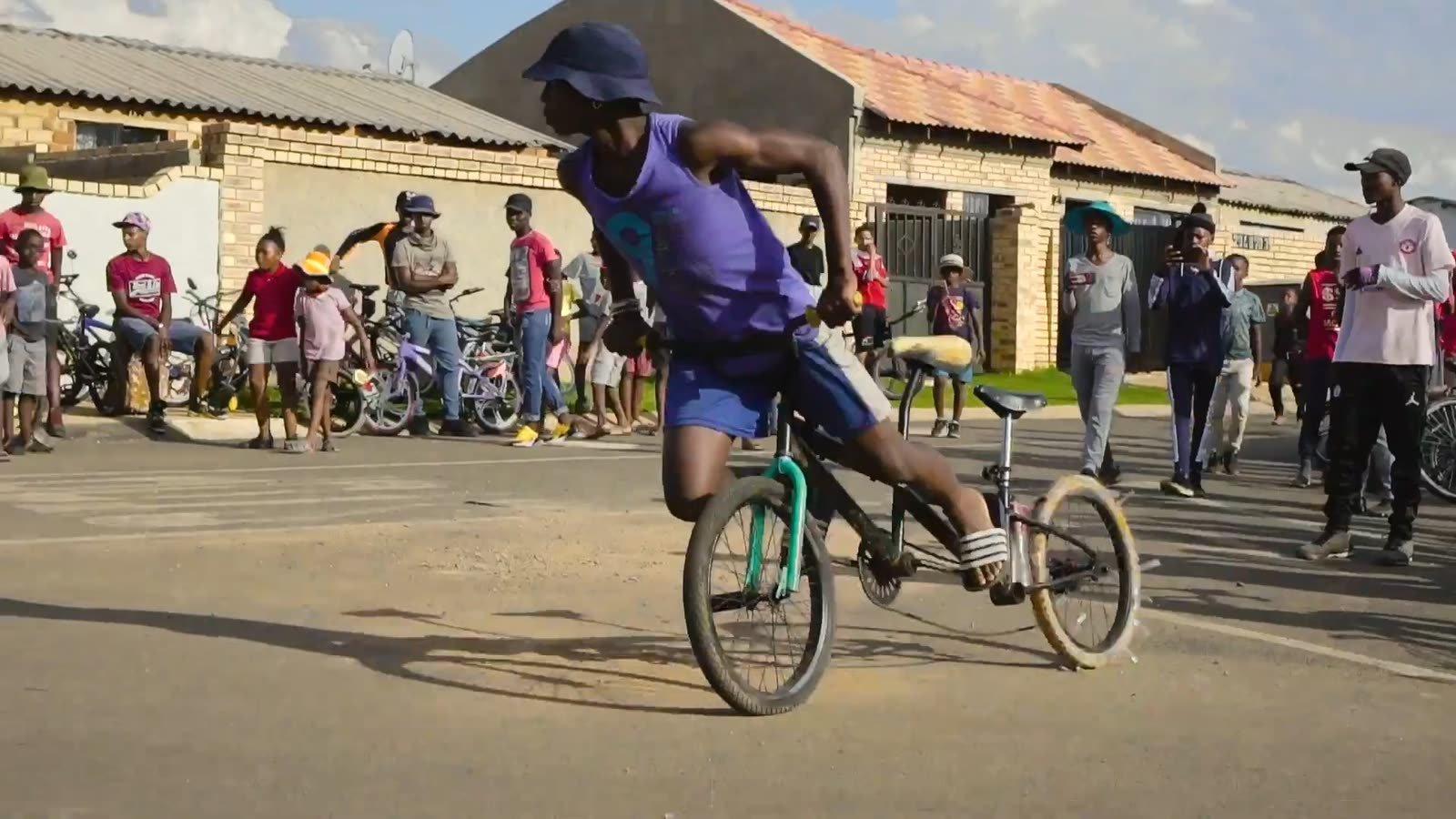

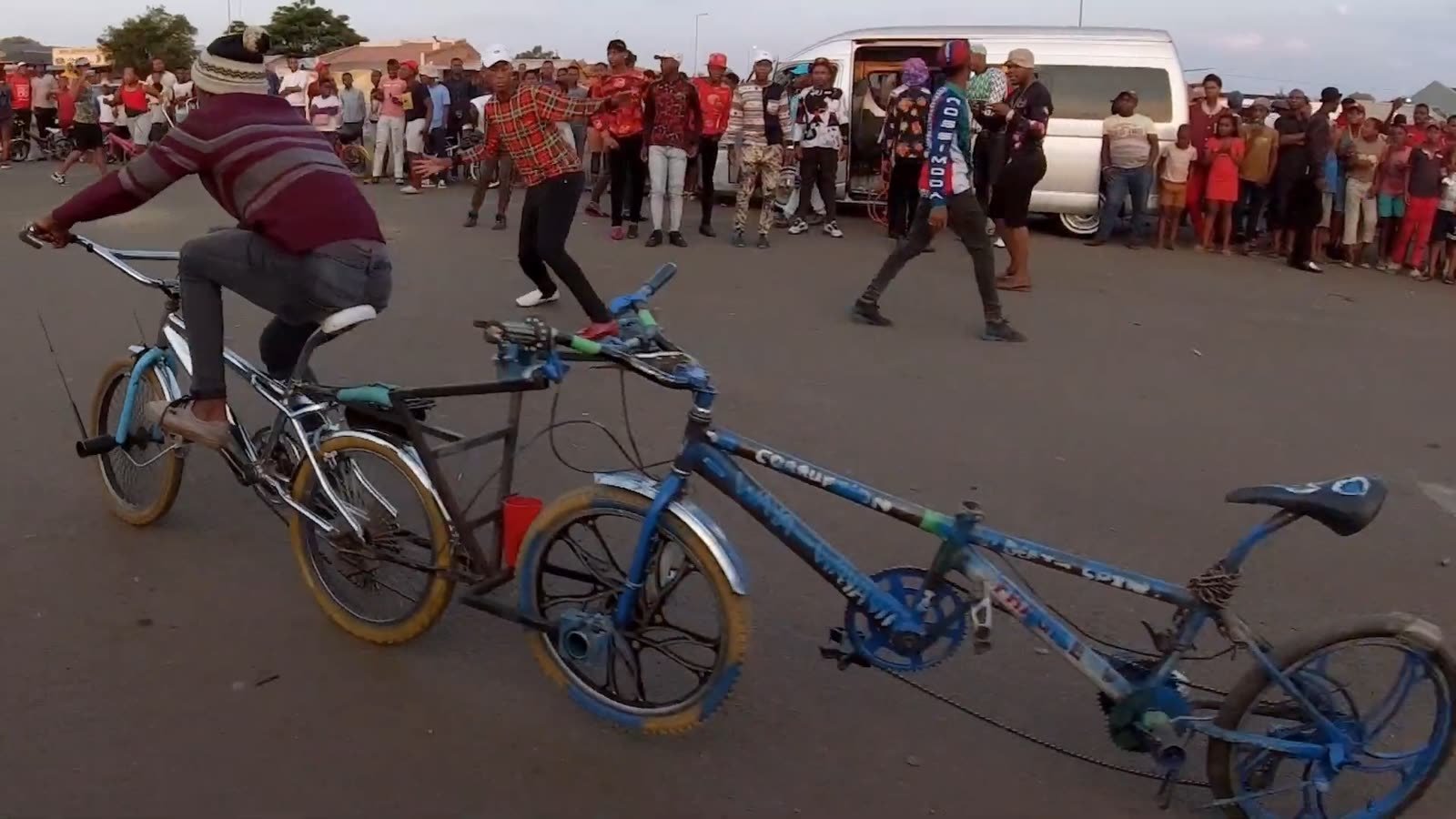
The subject seems particularly relevant to document for three main reasons, which are interconnected.
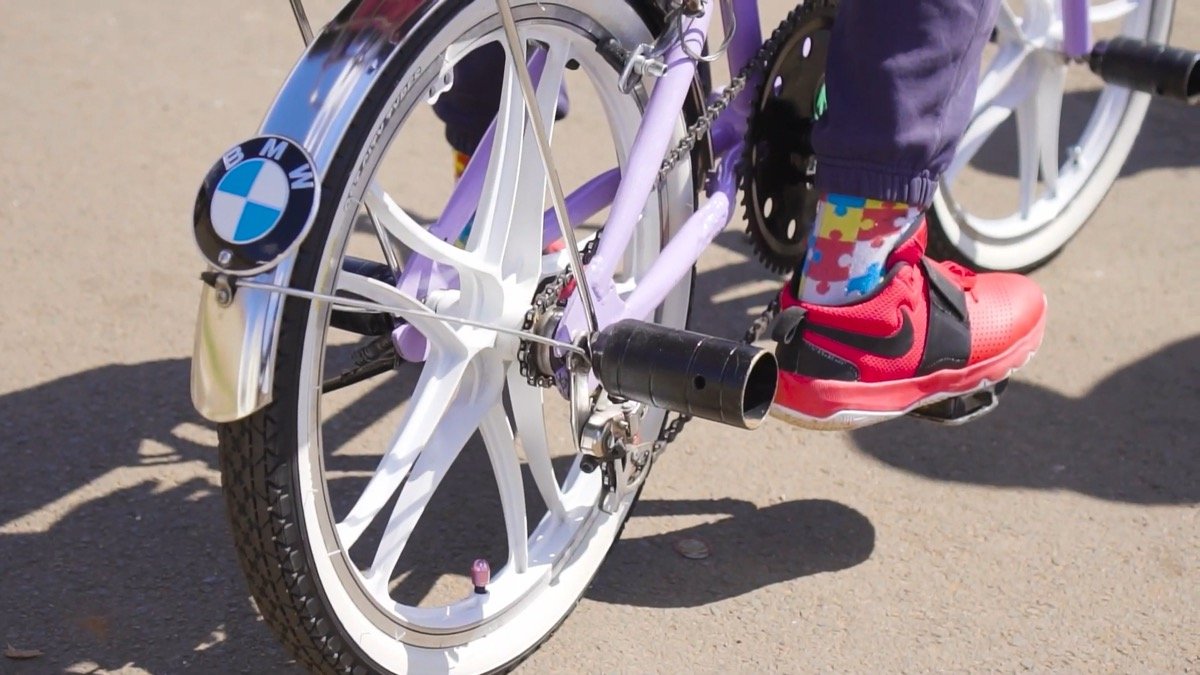
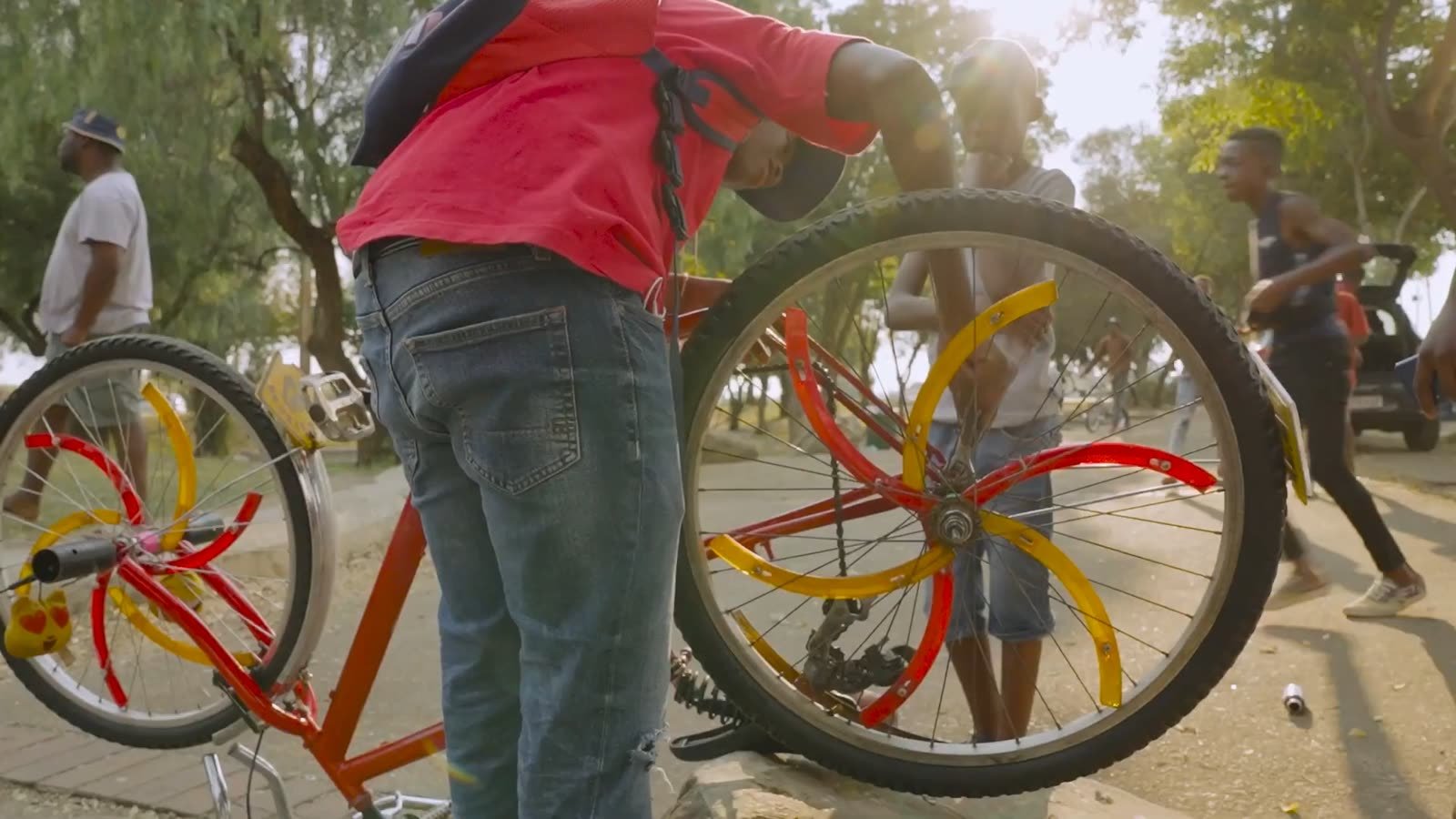
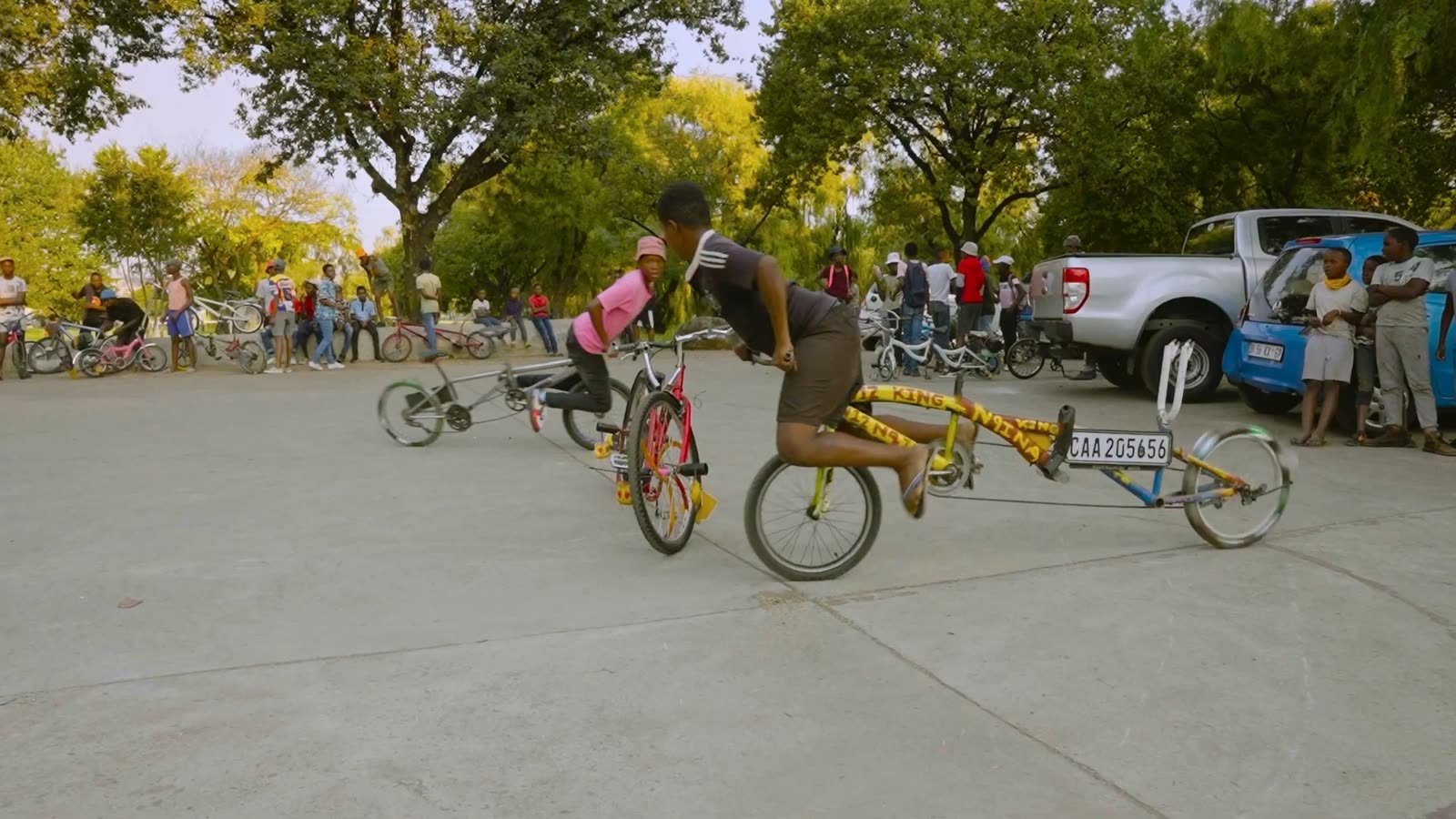
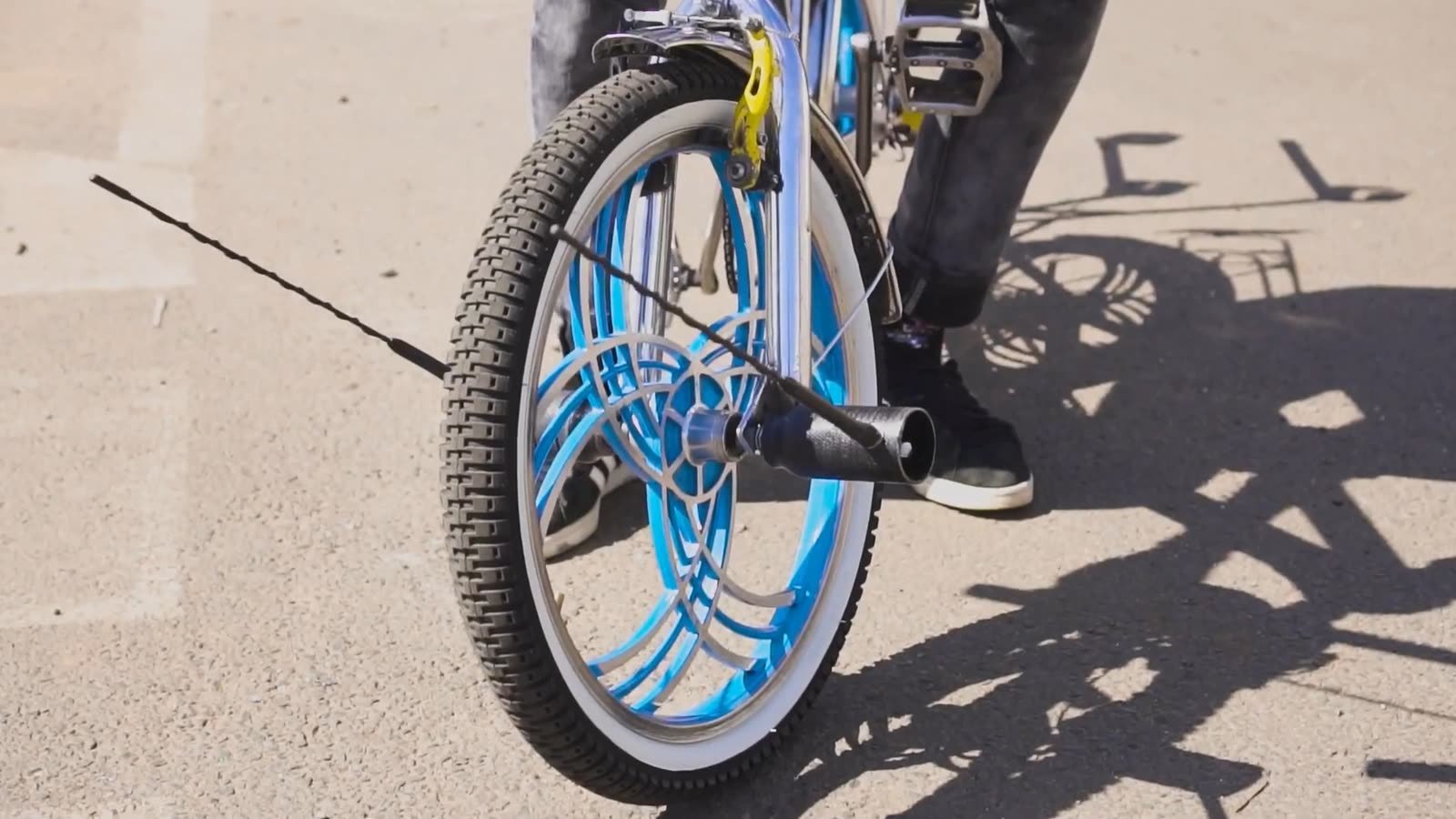
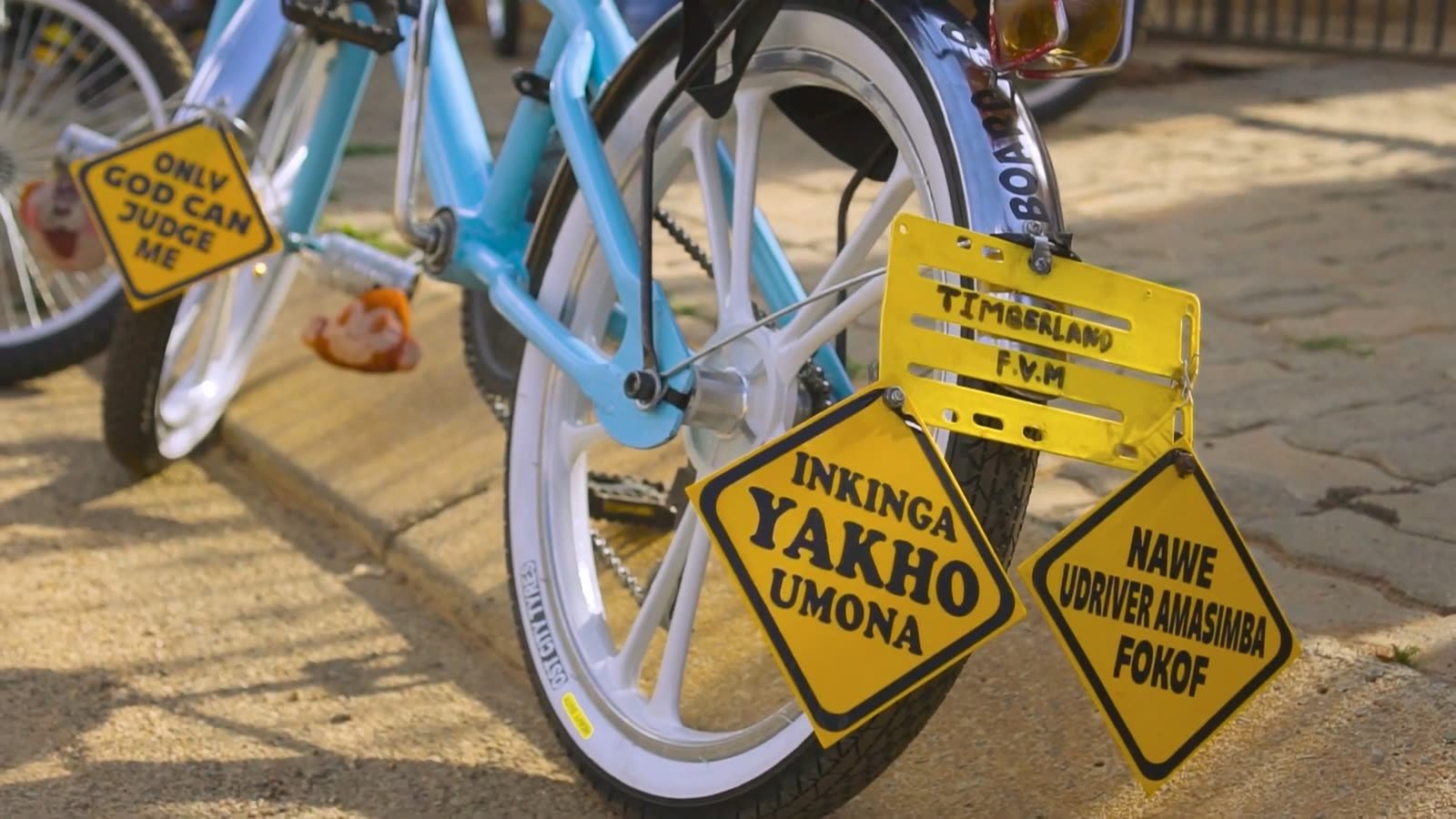
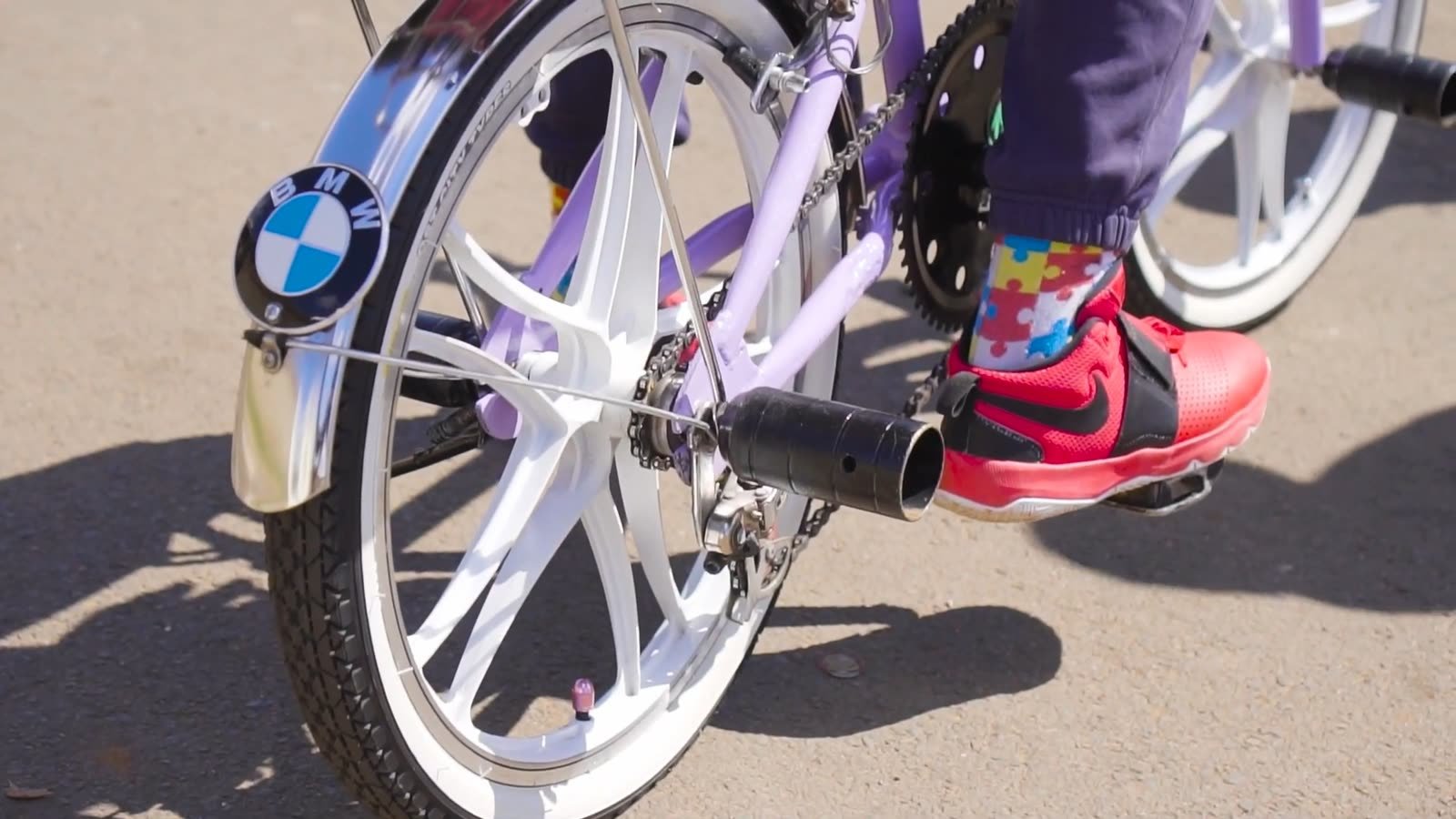
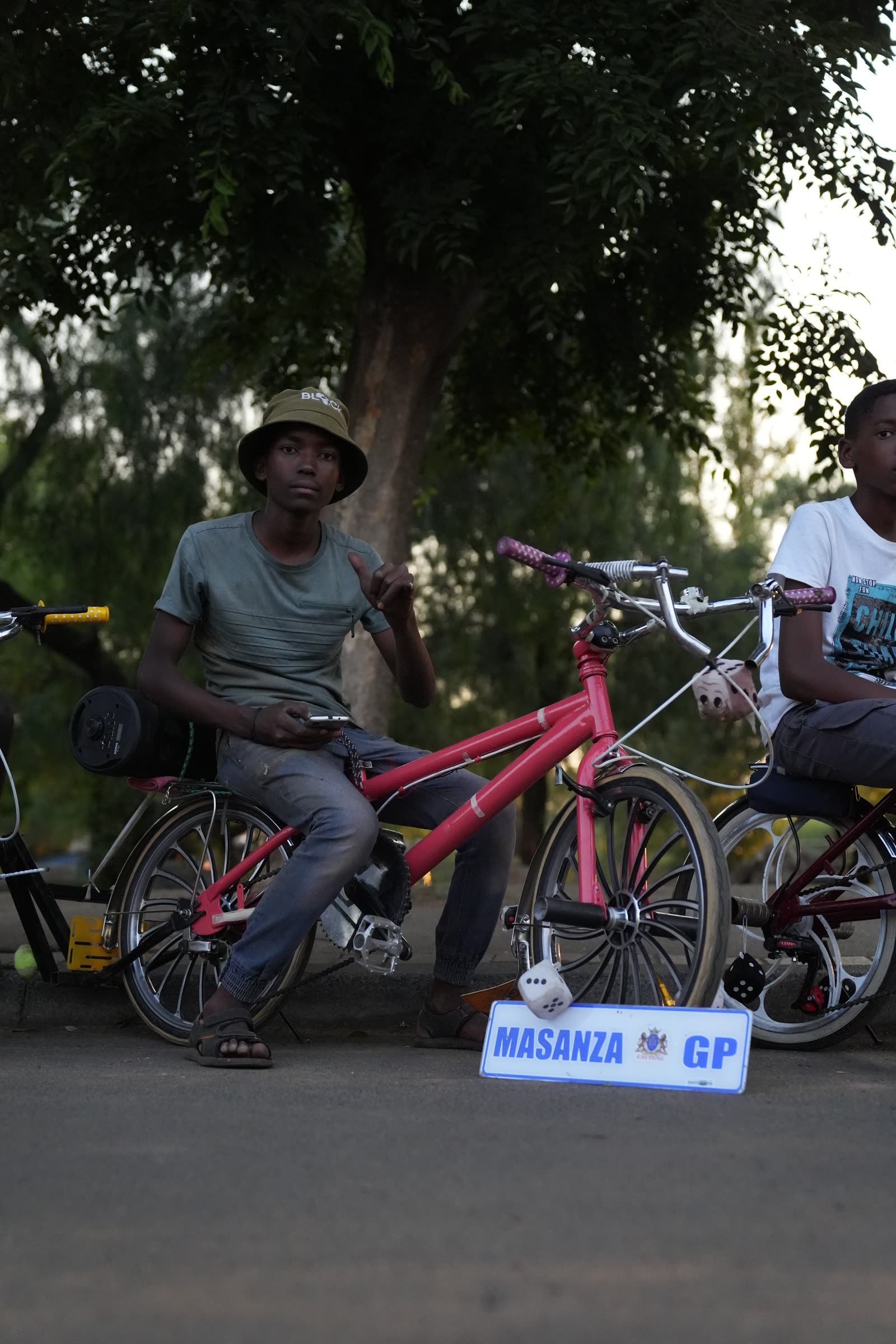
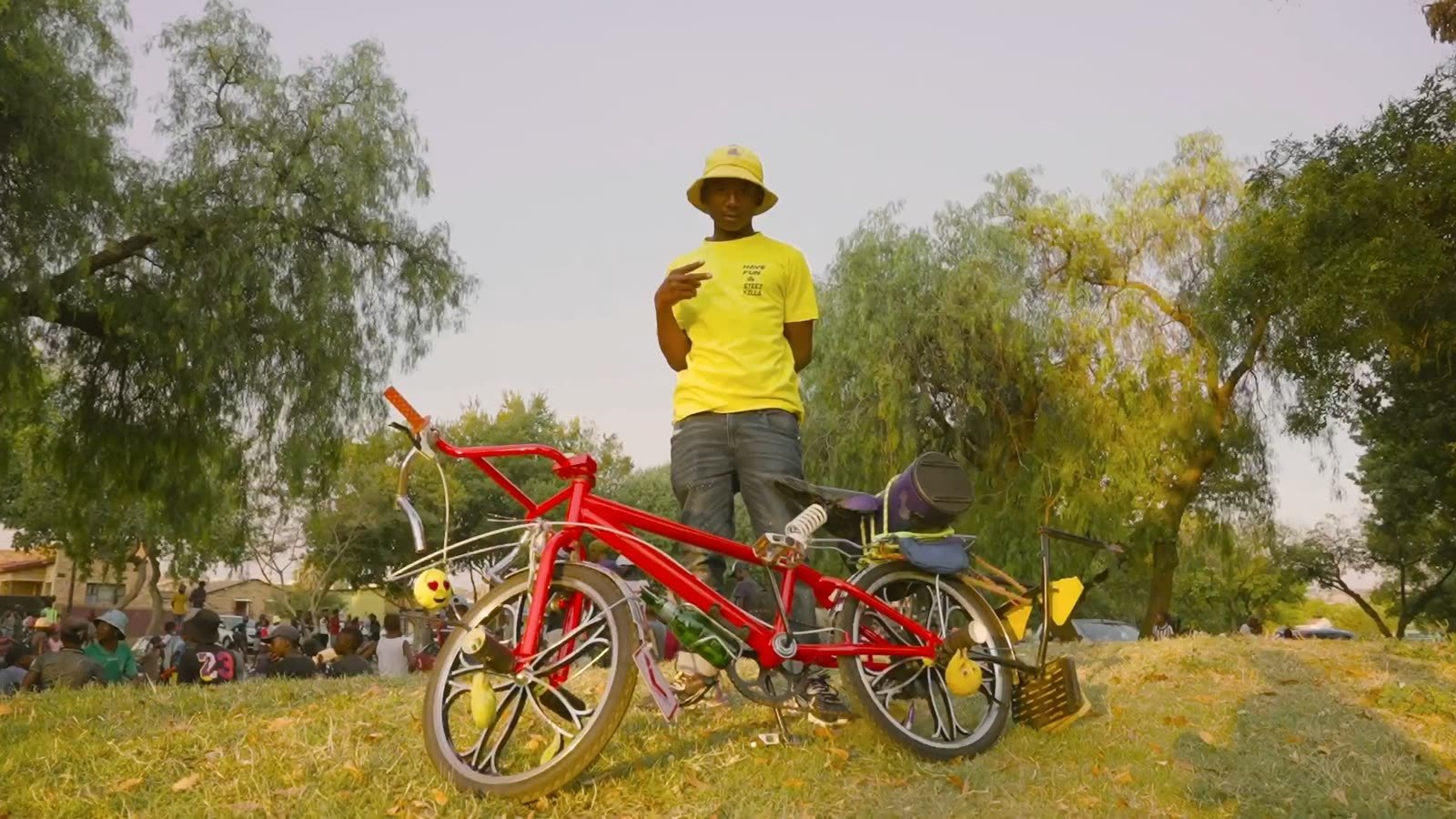
The first reason is purely visual: the Ibhayisikili subculture is hyper colorful, full of movement, and innovative. In this complex and creative two-wheeled world, it’s the design, construction, and customization of the bikes that have transformed a simple two-wheeled object into an artistic work. Watching the riders move spectacularly on their bikes and perform their tricks is truly impressive.
The second reason is sports-related: the riders break barriers and open access to extreme sports through social media and competitions organized by the community.
The third reason is historical, cultural, and political: we want to understand what these young people from extremely poor backgrounds are seeking when they engage in these visual demonstrations and to know what connections exist with the Skhothane subculture, which is also very colorful and inspired by cycling fashion.
What does all this tell us about South Africa in the first quarter of the 21st century ? About this young generation of athletes and creatives born free but nonetheless living the tough life of impoverished townships ? Can Ibhayisikili help the youth find a better future ?
Since Ibhayisikili has never been documented outside of South Africa, it seems urgent to address this topic. As we do with emerging music trends in South Africa, we would like to introduce this new extreme sports scene and connect its community to a broader and more global audience.
We will offer an immersion into the daily lives of South African riders, exploring their journeys, their sporting and mechanical challenges, and the unique and free style they have managed to develop. We will discover the iconic places in Soweto where they gather and the contests they organize. We want to tell a sincere and authentic story that will reveal the talent and inventiveness of this community.
Ibhayisikili
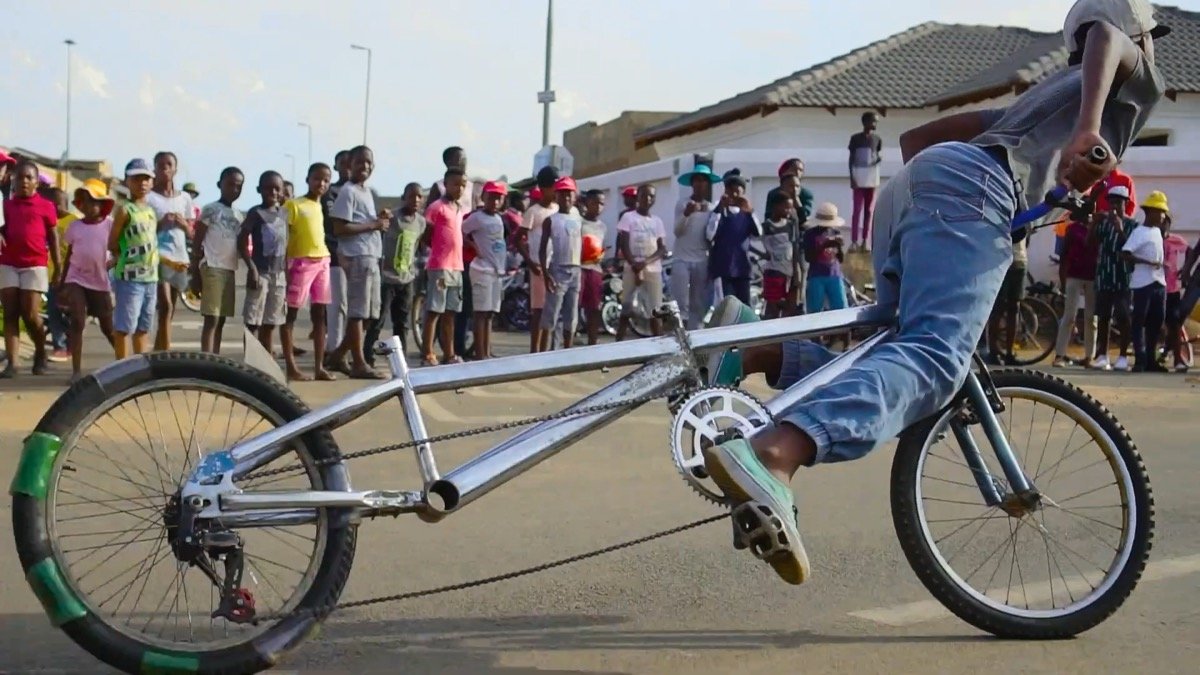
“Riding”
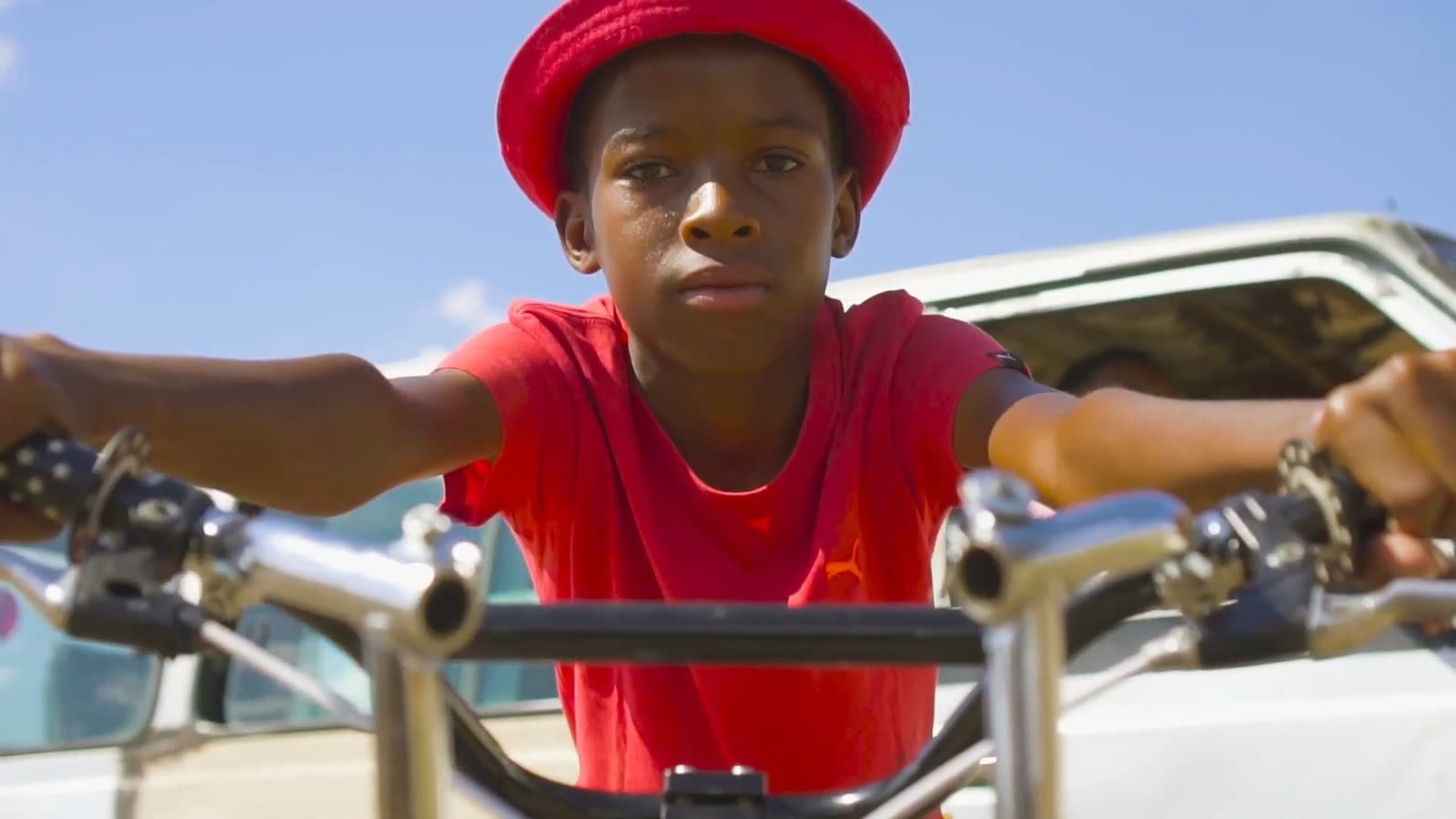
Inspired by extreme motor sports around the globe and continuing the tradition of riding and customization in South Africa’s townships, Ibhayisikili is a BMX and stunt riding culture emerging out of Soweto. Experts in freestyle riding, trick showcasing and bike customizations. These young riders are serving as a force of positive change in their neighborhoods. Their tricked out bicycles are steering them away from the ills of socioeconomic inequality and the traps that plague black township life. Despite the scene’s competitive nature, what the riders have cultivated with it through their years is a community overflowing with freedom, adventure and individuality.

“Spinning”
From iconic film and music video scenes to the car racing shows, spinning has been a creative form of expression in South African townships since apartheid, set against the backdrop of the 1980s amidst racist oppression, rising resistance, and gangster culture. It has since evolved, becoming formalized as a multidisciplinary sport, complete with promoters, performers, spectators, new localized expressions of riding, and leaving a lasting impact on Soweto’s young riders. Public parks and street corners are often used by BMX and stunt riders for meeting up and performing tricks. And although there are no said rules for sessions within the riding community, performance, aesthetics, tricks, and creativity are what distinguishes a rider. Sessions are advertised and announced through WhatsApp groups. Young riders and spectators descending from all corners of Soweto. These sessions are an amalgamation of showcasing their own unique bike customizations and riding skills, while also creating opportunities for riders to network, share knowledge, and push the culture forward. It basically awakens an entrepreneurial spirit in young riders, many of them trading bike parts and components to generate cash for future upgrades and customizations.
“Networks”
Inspired by car spinning, a pastime embedded in South Africa’s Starship culture, social riders are breaking down barriers and opening up access to extreme sports through social networks and community organized competitions. In this complex and creative two-wheeled world, it is bike design construction and customization that has pushed a bisegaly into the realm of visual art. Ranging from 12 to 26 inch wheels, bikes are often customized using vibrant colors and flashy rims. Structurally, they are modified by detaching the seats and moderating the brakes and handlebar lints to enhance riding and bike stance. Drawing from what is accessible to them, so it will ride as a simple personal artifacts and imagine new forms to create more well-worth of art.